


Imagine finding a stack of speeches from different decades, reading them in random order, and struggling to identify which president said what.
That is the story of the US national debt.
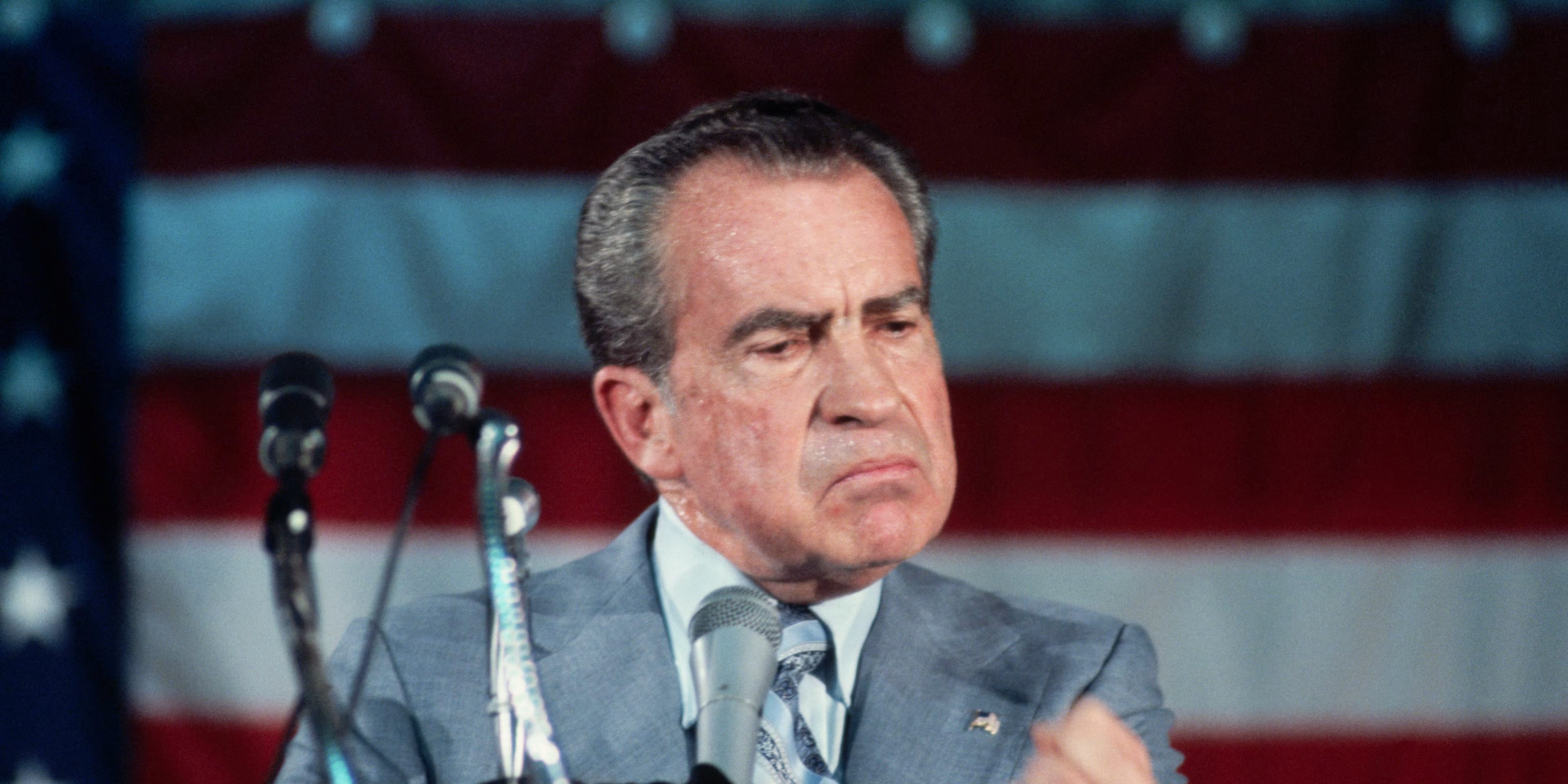
In 1971, with debt approaching $400 billion, Richard Nixon warned:
“Government spending rose by more than 50% from 1964 to 1968, fanning the flames of inflation with a 4-year deficit of $39 billion.”
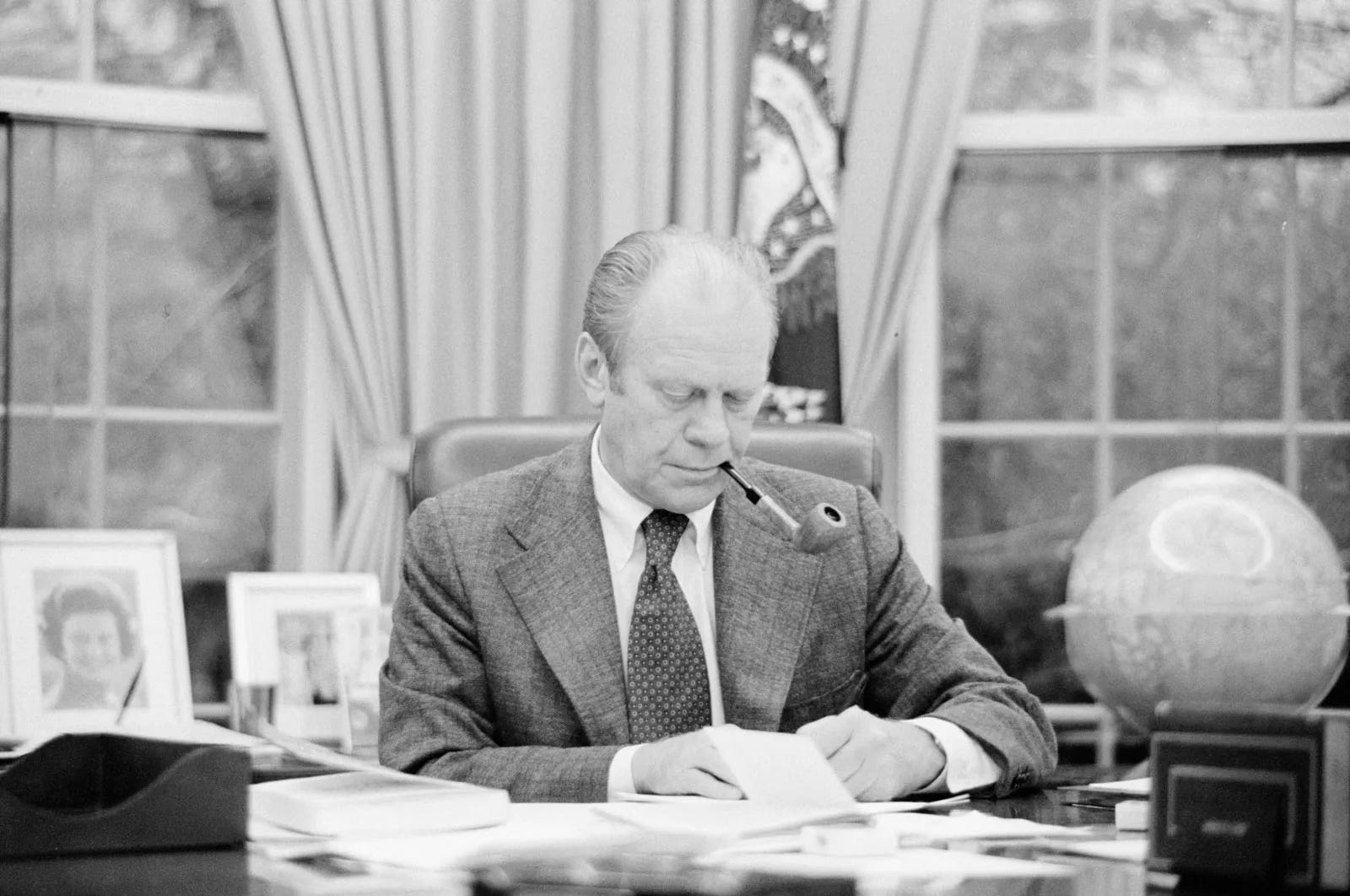
By 1974, debt had reached $500 billion. Gerald Ford observed:
“Our present inflation to a considerable degree comes from many years of enacting expensive programs without raising enough revenues to pay for them.”
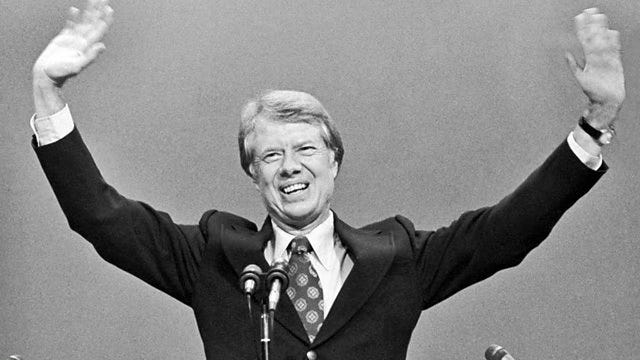
In 1979, at $600 billion, Jimmy Carter offered a simpler diagnosis:
“We must control government spending habits.”
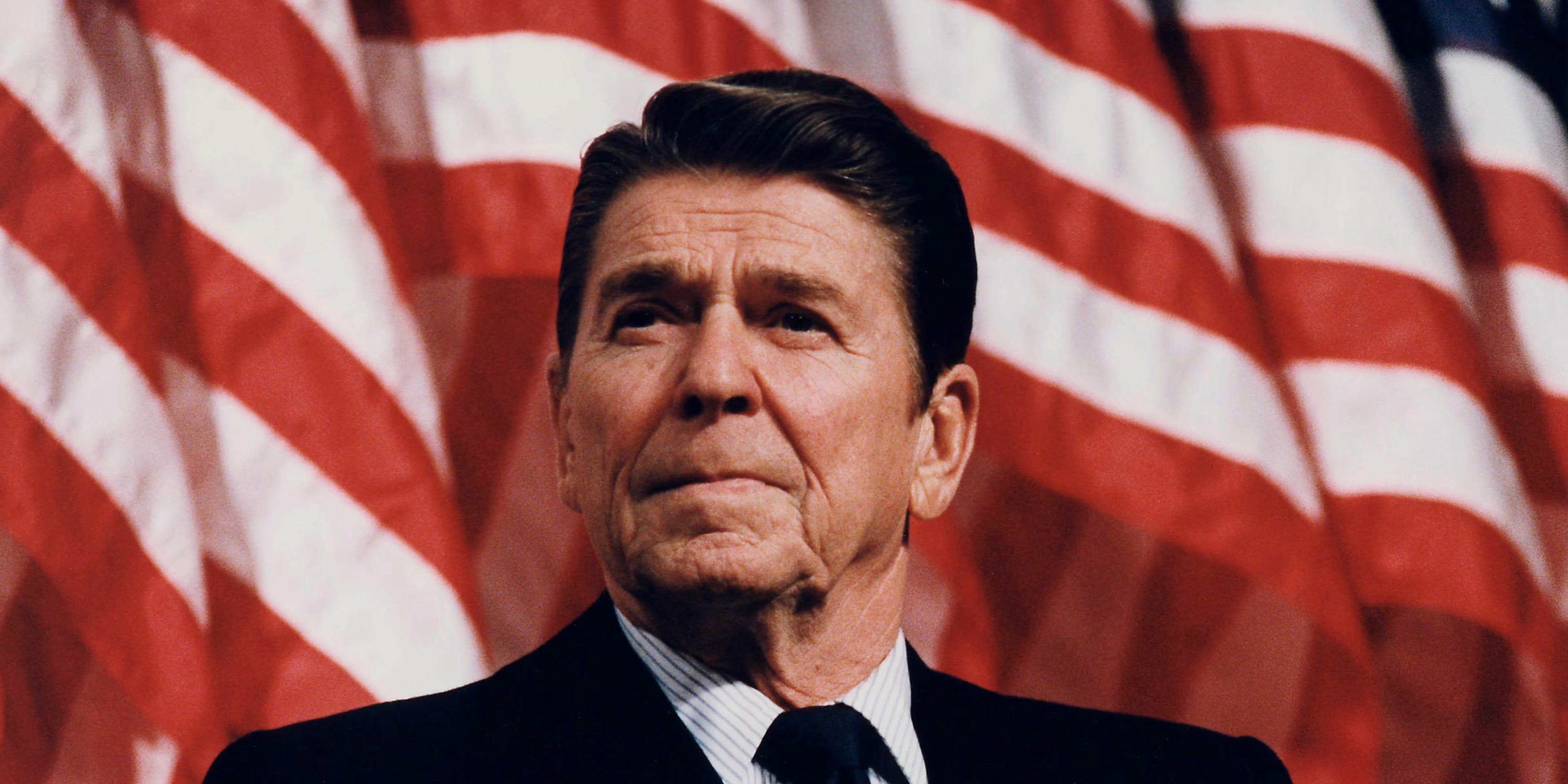
Then came Ronald Reagan. Debt stood at $934 billion in 1981.
“The Federal budget is out of control, and we face runaway deficits of almost $80 billion for this budget year… We can leave our children with an unrepayable massive debt and a shattered economy, or we can leave them liberty…”
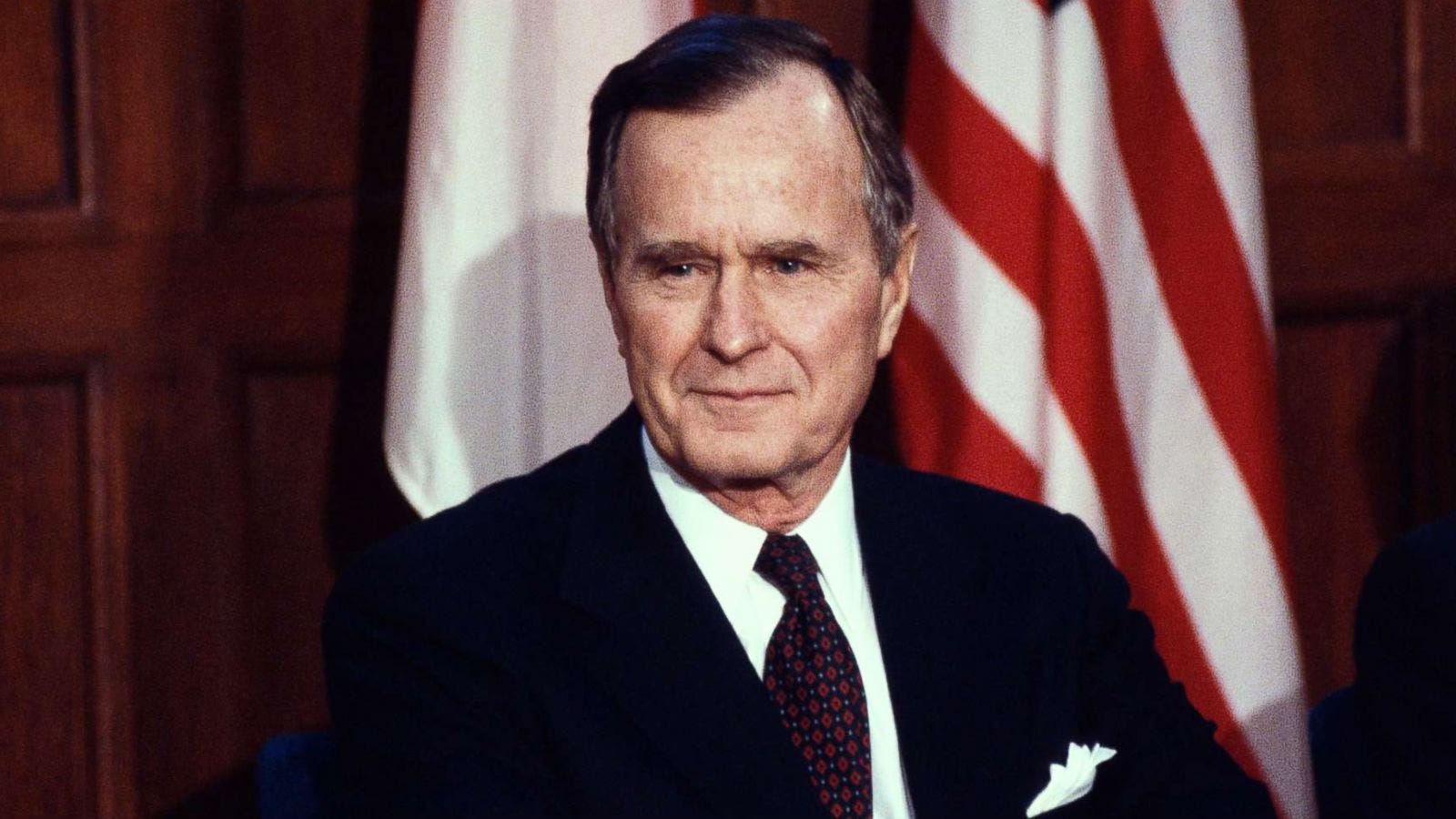
By 1990, debt had crossed $3 trillion. George H.W. Bush promised:
“We won’t leave it to our children and our grandchildren. Once it’s balanced, we will start paying off the national debt.”
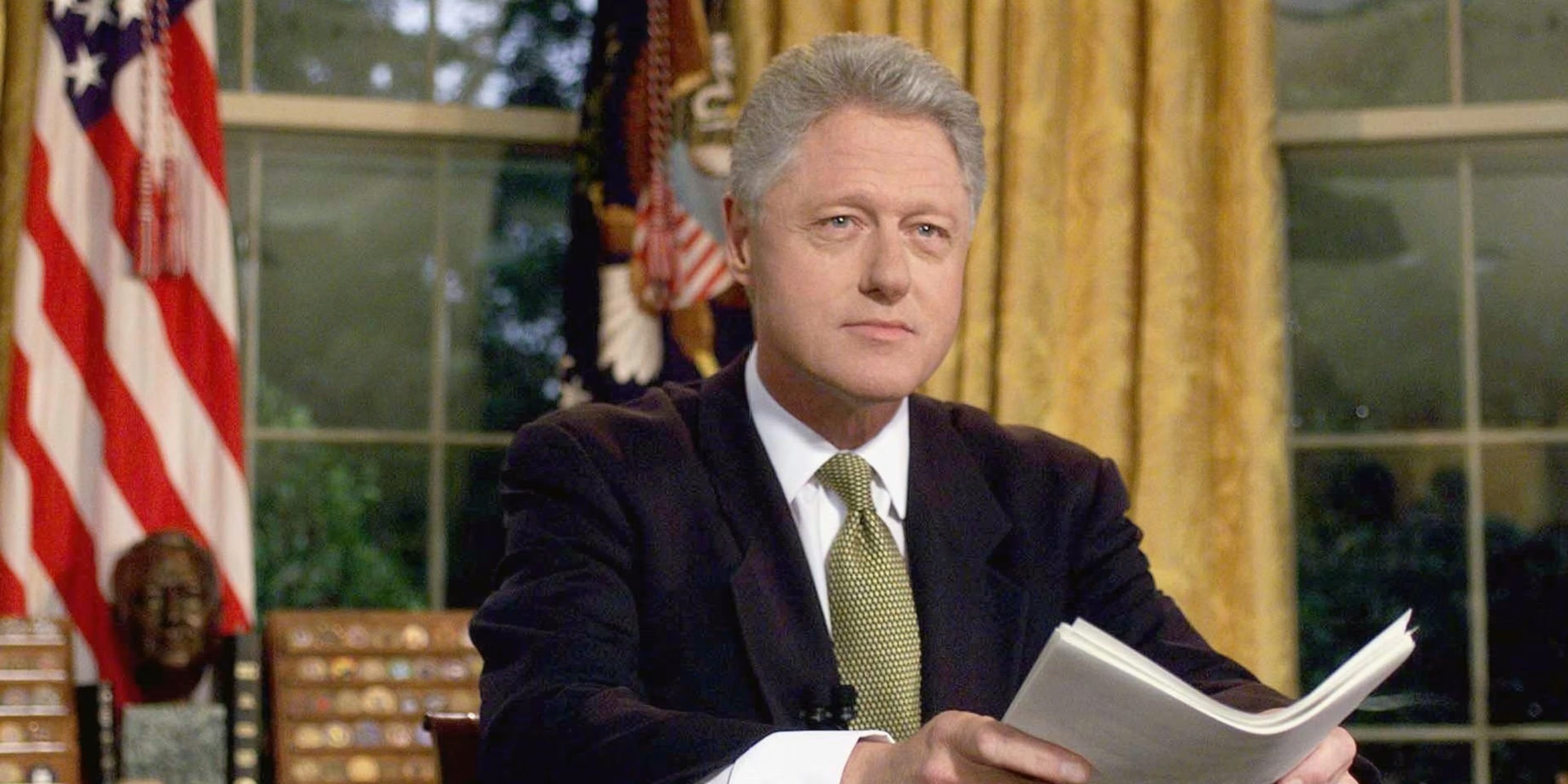
Five years later, debt reached $4.9 trillion. Bill Clinton said:
“For 12 years our Government, Congress and the White House, ducked the deficit and pretended we could get something for nothing. In my first 2 years as President, we turned this around and cut the deficit by one-third. Now, let’s eliminate it.”
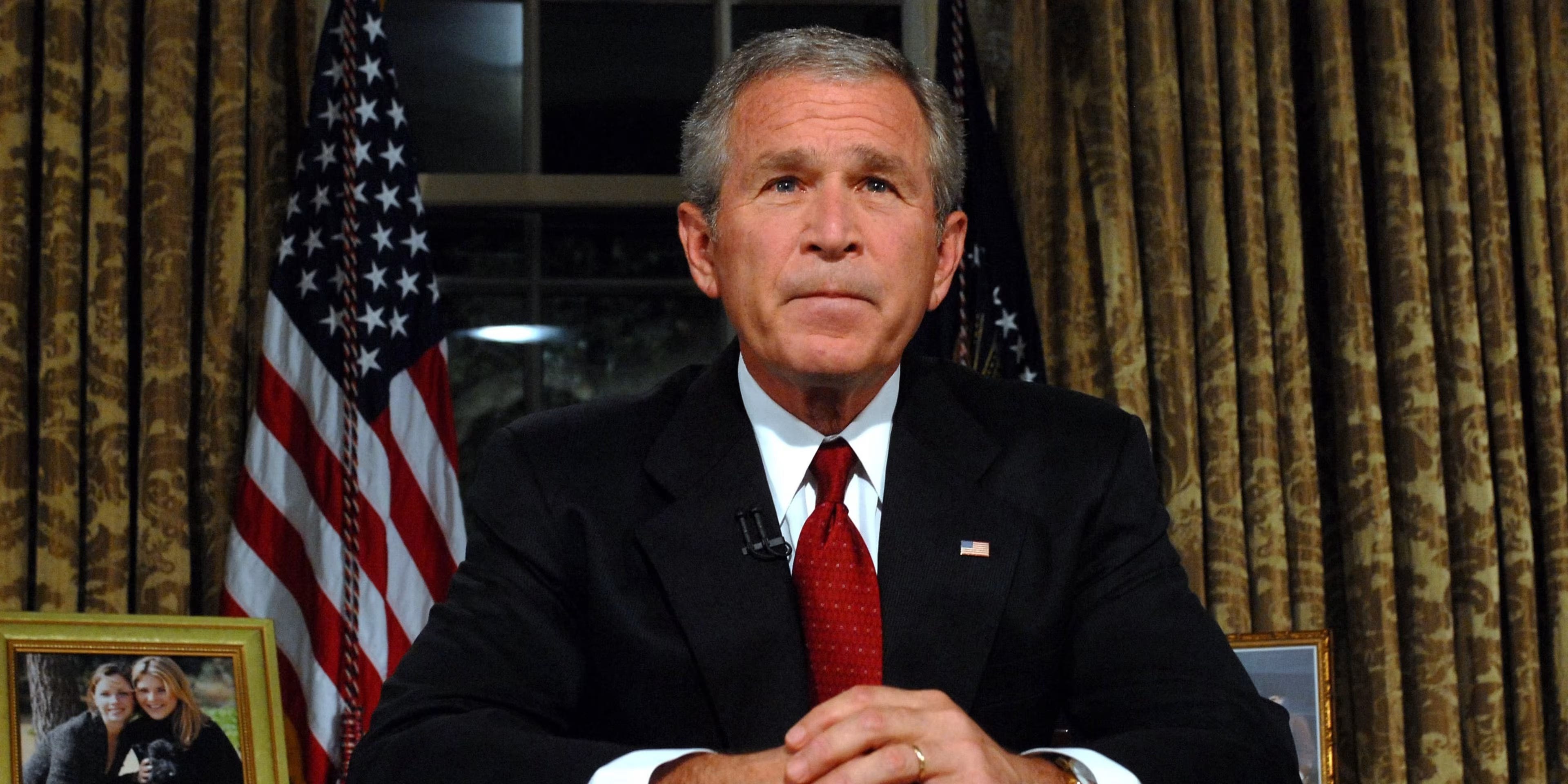
In 2006, debt passed $8 trillion. George W. Bush looked ahead:
“In 2030, spending on Social Security, Medicare and Medicaid alone will be almost 60 percent of the entire federal budget. I mean, there is a problem.”
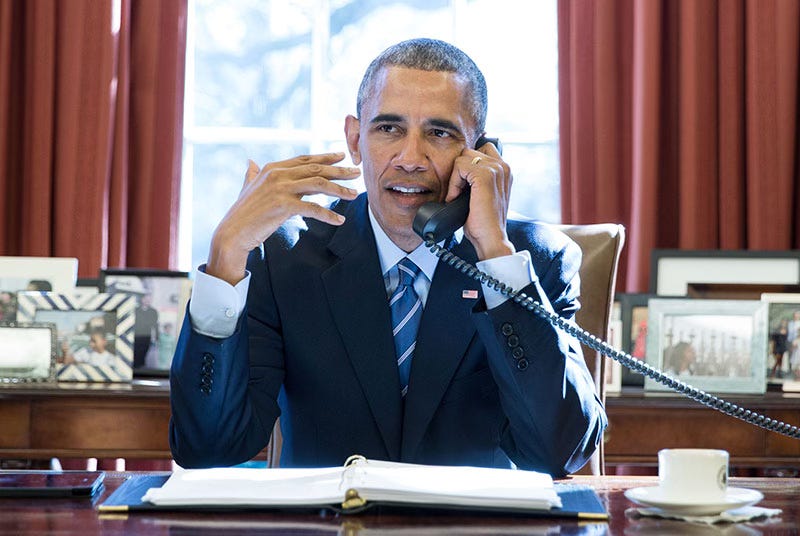
By 2011, debt had climbed to $14 trillion. Barack Obama warned:
“Now, the final critical step in winning the future is to make sure we aren’t buried under a mountain of debt. We are living with a legacy of deficit spending that began almost a decade ago.”
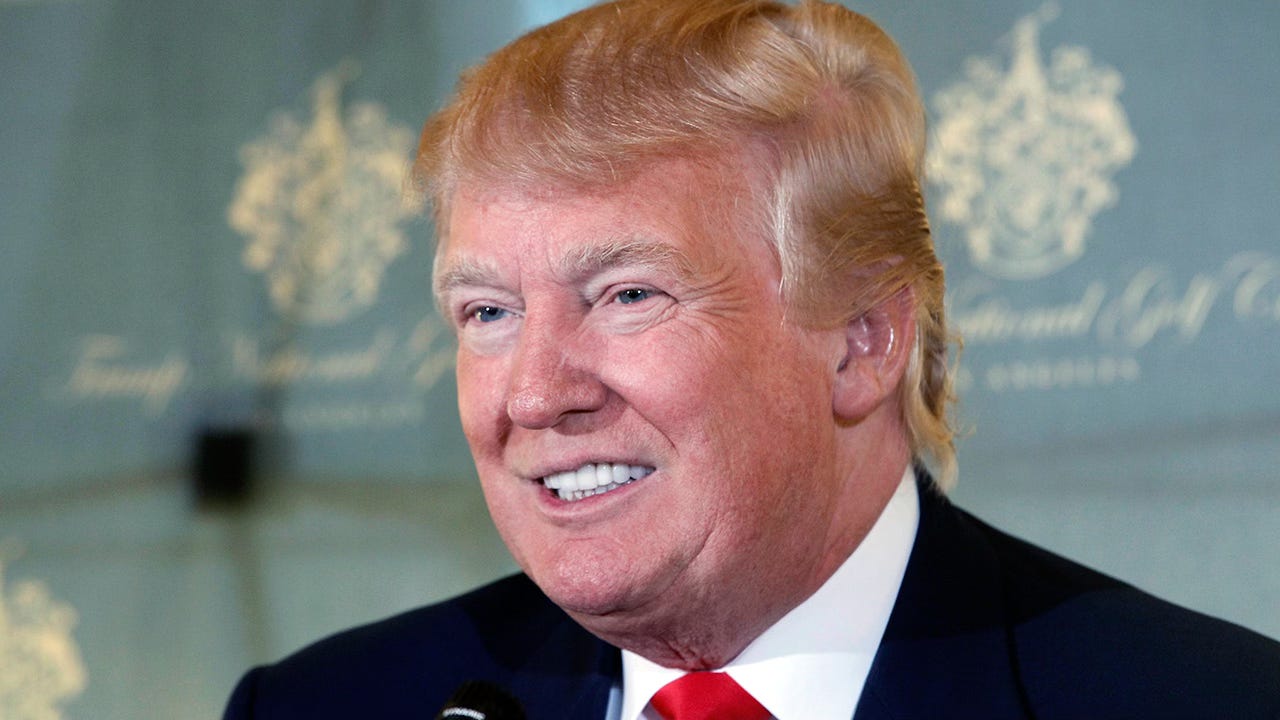
In 2018, with debt above $20 trillion, Donald Trump declared:
“Our national debt has reached over $20 trillion. This is a crisis that threatens the financial stability of our country and the future of our children. We must take serious steps to rein in uncontrolled spending and start reducing this debt.”
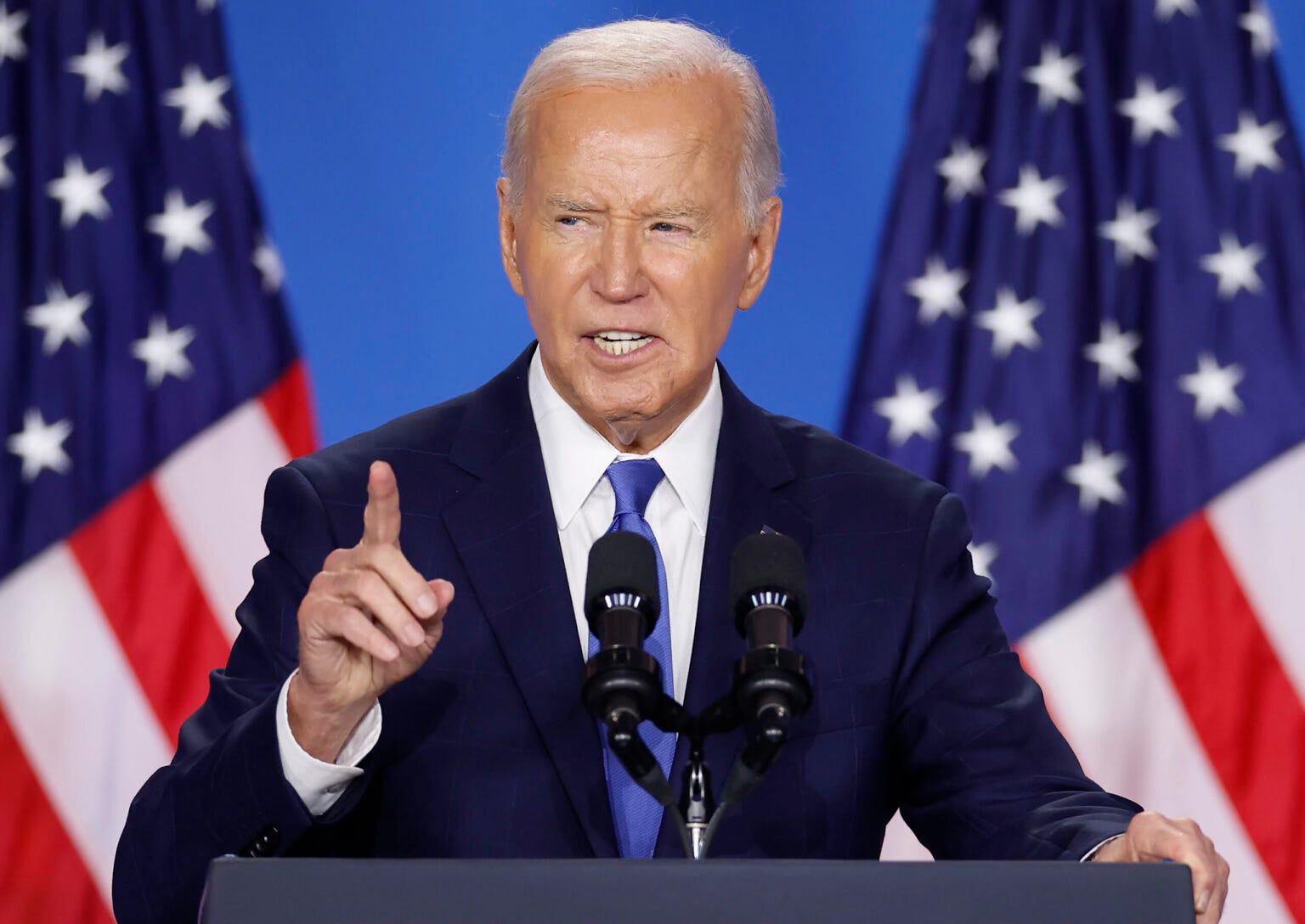
By 2020, debt stood at $27 trillion. Joe Biden argued:
“Under the previous administration, America’s deficit went up four years in a row. Because of those record deficits, no president added more to the national debt in any four years than my predecessor.”
Today, debt is approximately $36 trillion.
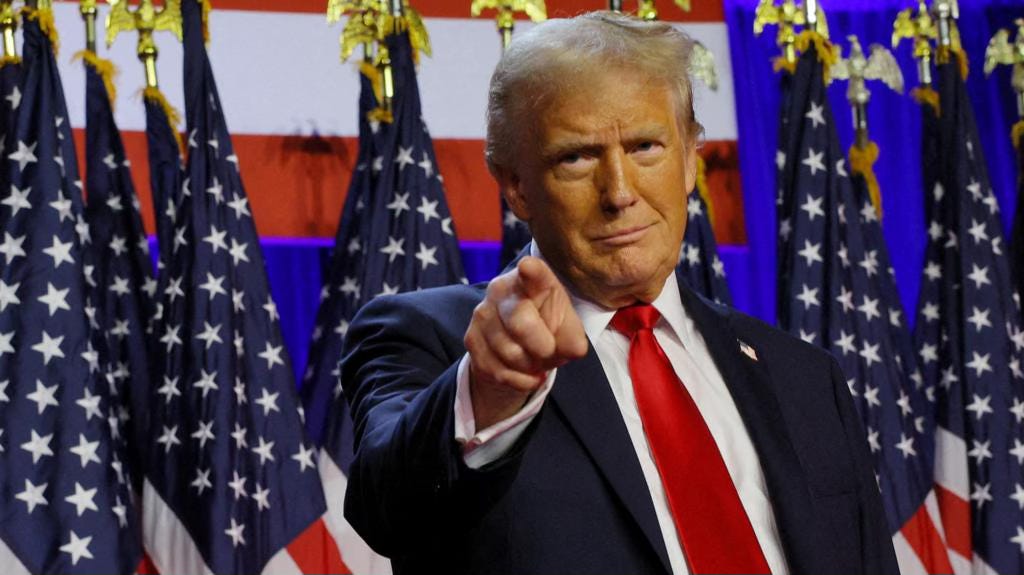
Donald Trump’s latest proposal is tariffs:
“They’re going to pay a lot of money, and we’re going to reduce our debt with that money.”
What stands out is not the increase from $400 billion to $36 trillion.
It is the consistency of the concern.
For more than half a century, presidents from both parties have warned about deficits, spending, future generations, entitlement costs, inflationary pressures and fiscal responsibility. Every one of them recognised the problem. Every one of them spoke about the danger.
The debt rose anyway.
Perhaps the lesson is that America’s debt problem has never been a failure of awareness.
It has been a failure of incentives.
The speeches change hands. The debt keeps moving in one direction.