


Some cycles only make sense in hindsight.
The pieces finally fall into place, and the pattern becomes undeniable.
We are at that moment now.
Imagine a dam holding back a vast reservoir. The water appears calm on the surface, but cracks have been forming for years. Small leaks are visible only to those paying attention. Last week, I spoke with an investor who has navigated markets for decades. He asked: “Everything feels unpredictable. Oil spikes, gold falls, rates climb. Is the system about to break?”
Most people see the surface chaos. They see volatility. They see uncertainty. But like the dam, the system is under pressure. The cracks are structural. The water is moving exactly as physics dictates. The stress is predictable, even if the timing is not.
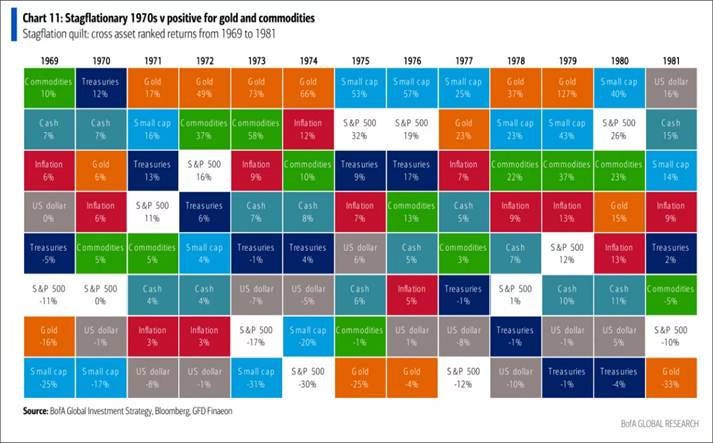
The Core Trend: A 1970s Replay
What we are witnessing is not randomness. It is not incompetence. It is not a series of isolated events. It is a system that has reached its limits, replaying dynamics we have seen before.
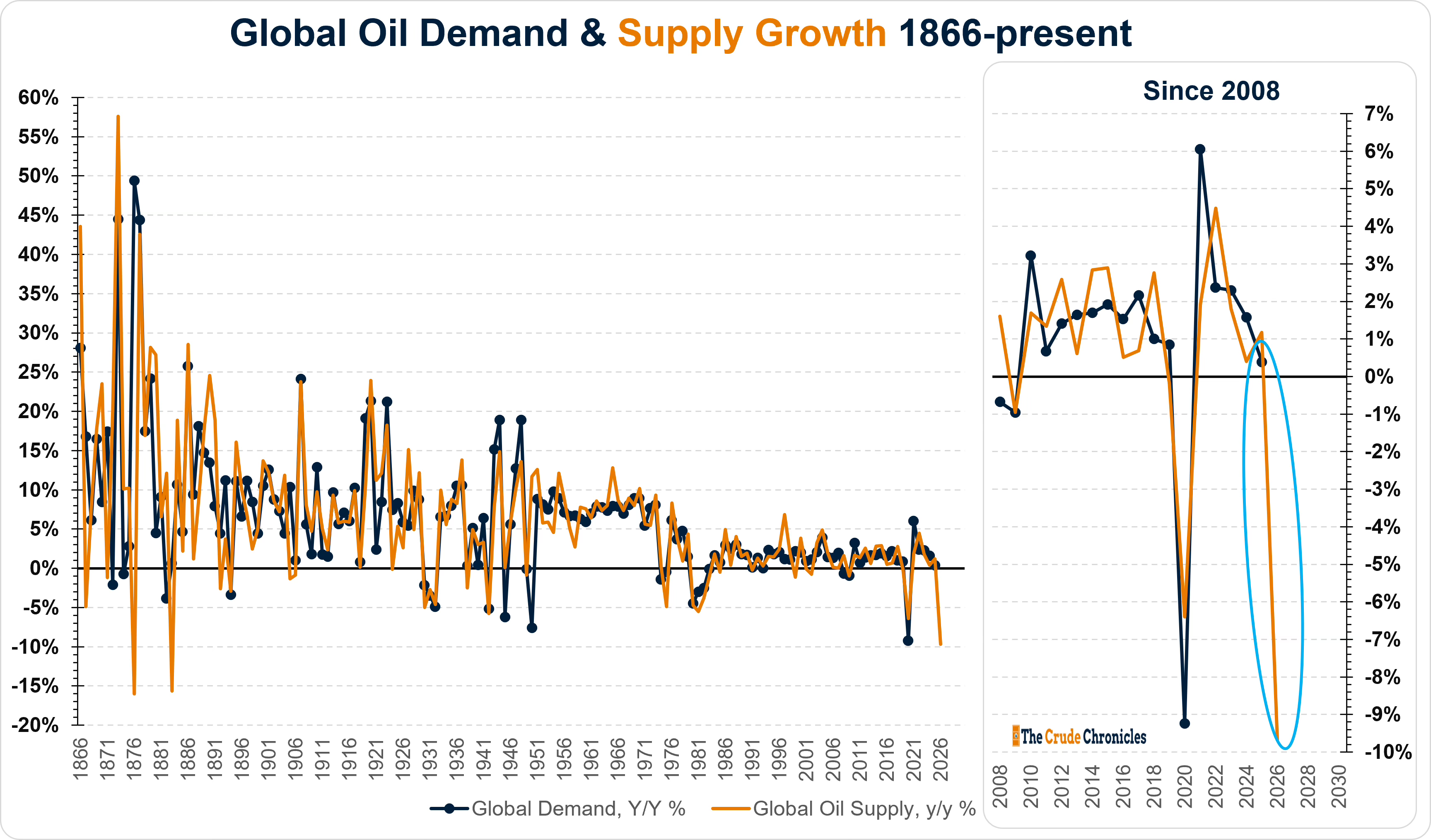
Oil sits at the center of this narrative. Headlines warn of shortages, geopolitical tensions, and bottlenecks. The story is familiar, yet misleading. There is no true shortage of oil. Production continues. The world has capacity. What exists is a constrained flow, a redirection of supply that creates the illusion of scarcity.
The 2020 oil collapse provides a mirror image. Then, oversupply and demand destruction created a glut. Storage filled. Futures turned negative. Now, the opposite is true. Bottlenecks are being engineered, not by physical limits but by financial necessity. Oil is not just a commodity. It is a transmission mechanism.
When oil rises, it does not merely affect energy. It ripples through transport, manufacturing, and food prices. It reprices the economy almost instantly. In the 1970s, OPEC played this role. Today, the Iran narrative fills the same function. Debt, not geopolitics, is the underlying driver.
Debt as the Hidden Force
At the system’s core lies an overwhelming reality: too much debt.
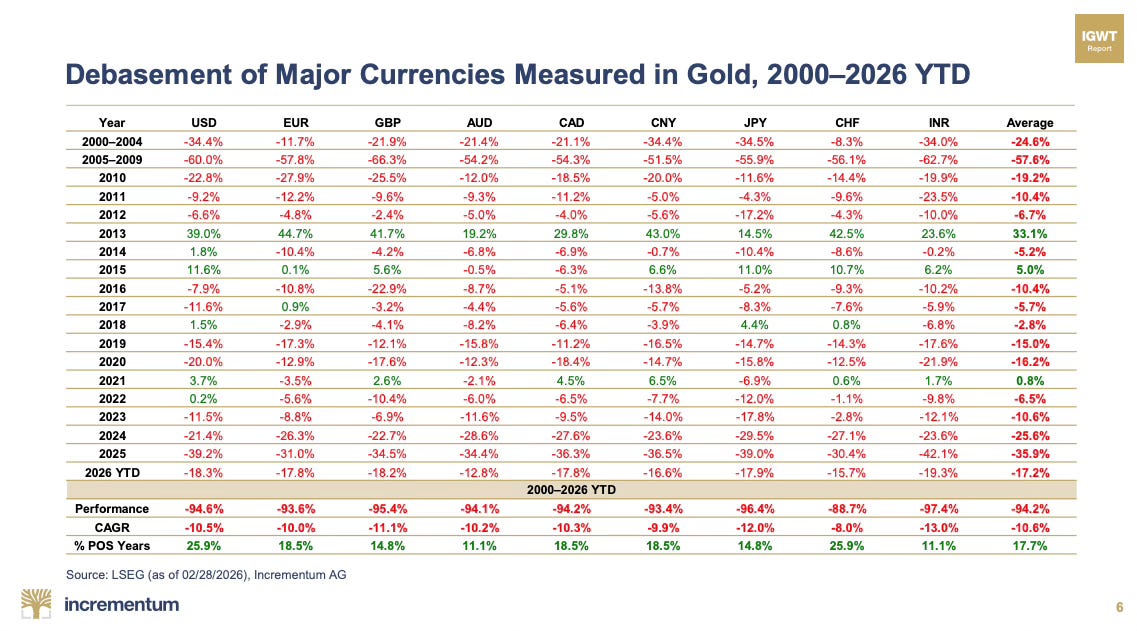
This is not just a U.S. problem. It is global. Decades of fiat expansion have created a structure that cannot function under normal conditions. To reduce the real burden of debt, the system alternates between two methods: currency devaluation and debt devaluation. Think of it like a runner taking steps: left foot debases the currency, right foot debases debt, and the cycle continues.
This is why interest rates are rising even as the economy slows. Employment softens, growth weakens, yet yields climb. Higher rates are not about controlling inflation. They are about repricing debt. Bond prices fall, and the nominal burden of debt declines. This mechanism is inherently destabilising.
Stress Emerges at the Edges
Every debt-based system collapses in the same way. The core is not the first to fail. Pressure builds at the edges. In 2008, it was subprime mortgages. Today, the strain is in private credit.
Private credit lacks transparent pricing. Valuations are set by funds themselves, and liquidity is often illusory. Redemptions are being restricted. Partial withdrawals, markdowns, and frozen capital are becoming common. This is more than a technical issue. It signals systemic stress.
Meanwhile, central banks are acting in near-perfect sync. Currency debasement, liquidity injections, and debt expansion are happening simultaneously across the world. There is no single weak currency. The entire fiat system is weakened collectively. For investors, this raises a stark reality: there is no fully safe fiat alternative.
Gold Reasserts Its Role
As trust in debt erodes, capital searches for preservation. Not yield. Not growth. Preservation.
Gold, long treated as a passive asset, is re-emerging as the benchmark. Bonds, once considered the ultimate safe haven, are now volatile, yielding negative real returns, and expanding supply. Gold is not competing with equities. It is replacing bonds as the reserve asset.
Even in bullish long-term scenarios, gold does not move in a straight line. During periods of acute stress, it can fall. This is not a broken thesis. It reflects liquidity dynamics. Cash becomes critical. Investors sell the most liquid assets, and gold is among the easiest to convert. Temporary weakness creates opportunity for those who understand the system.
The Liquidity Crunch Dynamic
Liquidity drives short-term behavior. During deflationary or debt-driven shocks, cash becomes temporarily scarce. The dollar can strengthen, yields can rise, and gold can pull back. But these phases are fleeting. Debt remains excessive, the system still requires debasement, and once liquidity stabilizes, gold resumes its upward trend, often sharply.
Oil is another layer in this cycle. It acts as a lever, generating volatility and shaping narratives. Prices spike, then reverse quickly. For retail investors chasing momentum, this is dangerous. Fundamentals alone do not dictate outcomes. Policy, positioning, and timing heavily influence the market.
Fragility of the Modern System
Compared with the 1970s, the current system is far more sensitive. Debt-to-GDP ratios are dramatically higher. Margins for error are smaller. Even modest interest rate increases can trigger significant stress. The system does not require a shock. Pressure alone is sufficient. That pressure is already building.
Practical Positioning for Investors
For individual investors, the principle is simple: preservation comes first. Physical assets, liquidity, and minimal counterparty risk are priorities. Gold and silver are central, not as trades but as insurance. Cash holdings, particularly in physical form, matter more than digital balances, because access becomes as critical as value in periods of stress.
Larger portfolios have room for strategy. Selective exposure and structured downside bets on debt markets can complement foundational preservation. But speculation should follow resilience. Secure your base before pursuing growth opportunities.
Macro Perspective
Daily market noise obscures the broader picture. Short-term narratives, price swings, and headlines are distractions. The bigger picture is clear: the debt-driven system has reached its limits. Mechanisms to manage it—currency debasement, debt repricing, commodity volatility, and liquidity cycles—are now unfolding in real time. These events are structural, not random.
The lesson of the 1970s is instructive. The decade did not produce immediate collapse. It produced volatility, inflation, and economic realignment. Today, the starting conditions are weaker, debt is higher, the system is more interconnected, and the margin for error is smaller. The replay has begun.
Closing Thought
When the system is under pressure, the focus shifts from prediction to positioning. The question is not how to maximize gains, but where to remain safe. Gold is one of the few lifeboats. It sits outside the system, providing a hedge against the repricing of debt and currency.
The only question that remains is how you position yourself within this replay. Those who secure their foundation will navigate the storm. Those who do not will be at the mercy of structural forces beyond control.
Best,
Matt
FED is trapped and they have to print. There is no another option.