


The petroyuan is not replacing the dollar.
It is doing something more dangerous.
It is teaching the world that the dollar may no longer be the only road to energy.
For half a century, global oil has moved through a single financial highway. Every importer needed dollars. Every exporter accumulated them. And those dollars flowed back into the US system, reinforcing the very structure that made the dollar dominant in the first place.
Now imagine a second lane opening beside it.
Smaller. Less trusted. Still under construction.
But suddenly, at one of the most critical chokepoints in global trade, traffic is being pushed toward it anyway. Not because it is better. Because, in some cases, it is becoming necessary.
That second lane is the petroyuan.
Where the System Starts to Shift
For years, China has been quietly building the infrastructure to support a parallel energy settlement system.
Yuan-denominated oil futures in Shanghai.
Cross-border payment rails through CIPS.
Trade agreements with energy exporters.
And, critically, a gold ecosystem that gives counterparties a way to step outside dollar exposure without fully trusting the yuan.
Individually, these moves looked incremental.
Together, they form something more deliberate: a parallel financial channel.
But infrastructure alone does not change systems.
Pressure does.
That is why Iran matters in this story.
In the context of conflict and rising tension in the Strait of Hormuz — a passage through which a significant share of global oil flows — settlement is no longer just a financial decision. It is becoming entangled with access, security, and leverage.
And that is where the shift begins to accelerate.
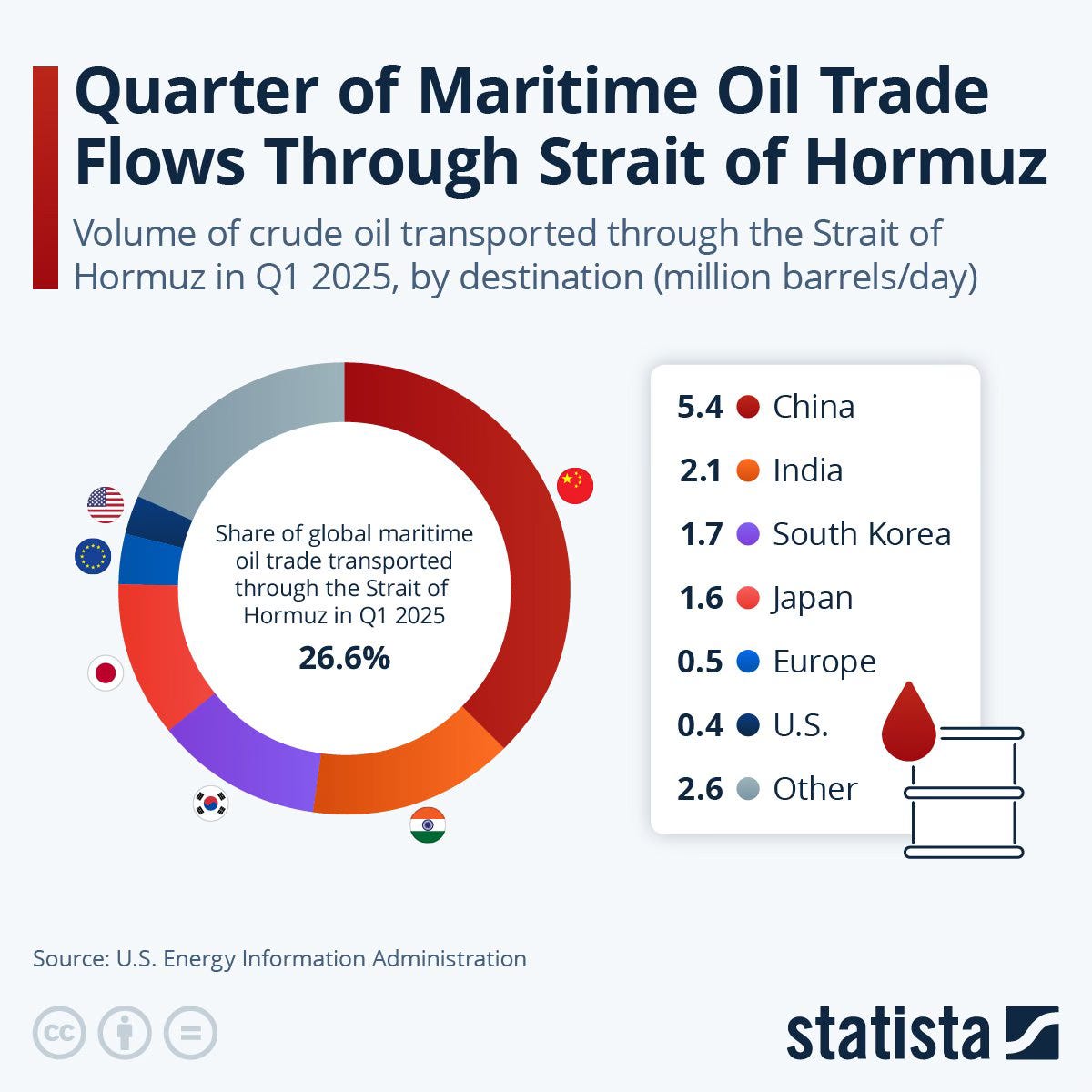
The Machine Behind Dollar Power
Most people think the petrodollar is simply about pricing oil in dollars.
It isn’t.
It is a system.
First, oil is priced in dollars. That forces global demand for dollars.
Second, oil exporters accumulate those dollars and recycle them into US assets — Treasuries, equities, deposits. That supports US funding and deepens financial markets.
Third, because the system runs through dollar rails, the United States gains leverage. It can sanction, restrict, or exclude participants from the system itself.
This loop is what gives the dollar its structural advantage.
Not just usage — but reinforcement.
The petroyuan is not trying to flip that system overnight.
It is trying to weaken the loop at the margin.

Why Alternatives Are Emerging Now
On the surface, it looks like diversification.
Underneath, it is a response to pressure.
Over the past decade, the dollar system has increasingly been used as a geopolitical tool. Sanctions, asset freezes, and payment exclusions have made one thing clear to much of the world:
The system is powerful, but not neutral.
That changes behaviour.
Countries do not need to abandon the dollar to react to that reality. They only need to reduce their dependence on it.
China understood this early.
It did not rush to challenge the system directly. Instead, it built slowly:
Trade relationships first
Settlement infrastructure second
Commodity pricing mechanisms third
Reserve alternatives, including gold, as a final layer
This is not disruption.
It is parallel construction.
And for a long time, it remained theoretical.
Until now.
When Infrastructure Meets Geopolitics
China built the alternative lane.
Iran may be forcing traffic onto it.
That is the key shift.
Unlike China, Iran is operating under direct pressure — sanctions, conflict, and constrained access to the global system. That changes incentives. It accelerates behaviour.
When settlement begins to intersect with physical chokepoints — like Hormuz — the question stops being:
“What currency is most convenient?”
And becomes:
“What system allows trade to continue?”
That is a very different decision.
And historically, that is when systems begin to change.
