


Platinum did not suddenly become interesting because the price went up.
The price went up because the market finally noticed what had been breaking underneath it.
For years, platinum sat in the shadows of gold and silver. Gold was the monetary metal. Silver was the speculative high-beta cousin. Platinum was treated like an awkward industrial relic, tied to diesel engines, catalytic converters, and the old economy.
But that framing misses the point.
Platinum is not just another precious metal.
It is a stress test for the physical economy.
And right now, that test is starting to flash red.
Platinum Isn’t Rising, Supply Elasticity Is Failing
Across the commodity complex, investors have become used to thinking in financial terms: liquidity, positioning, ETFs, rate cuts, dollar weakness, momentum. But platinum forces a different question.
What happens when a market cannot respond quickly to price?
What happens when the world needs more of a metal, the price doubles, and the miners still do not meaningfully increase supply?
That is the story of platinum.
Not a story about a shiny metal.
A story about a system that has spent years underinvesting in hard assets, assuming supply would always be there when needed.
It may not be.
The Metal the Market Forgot
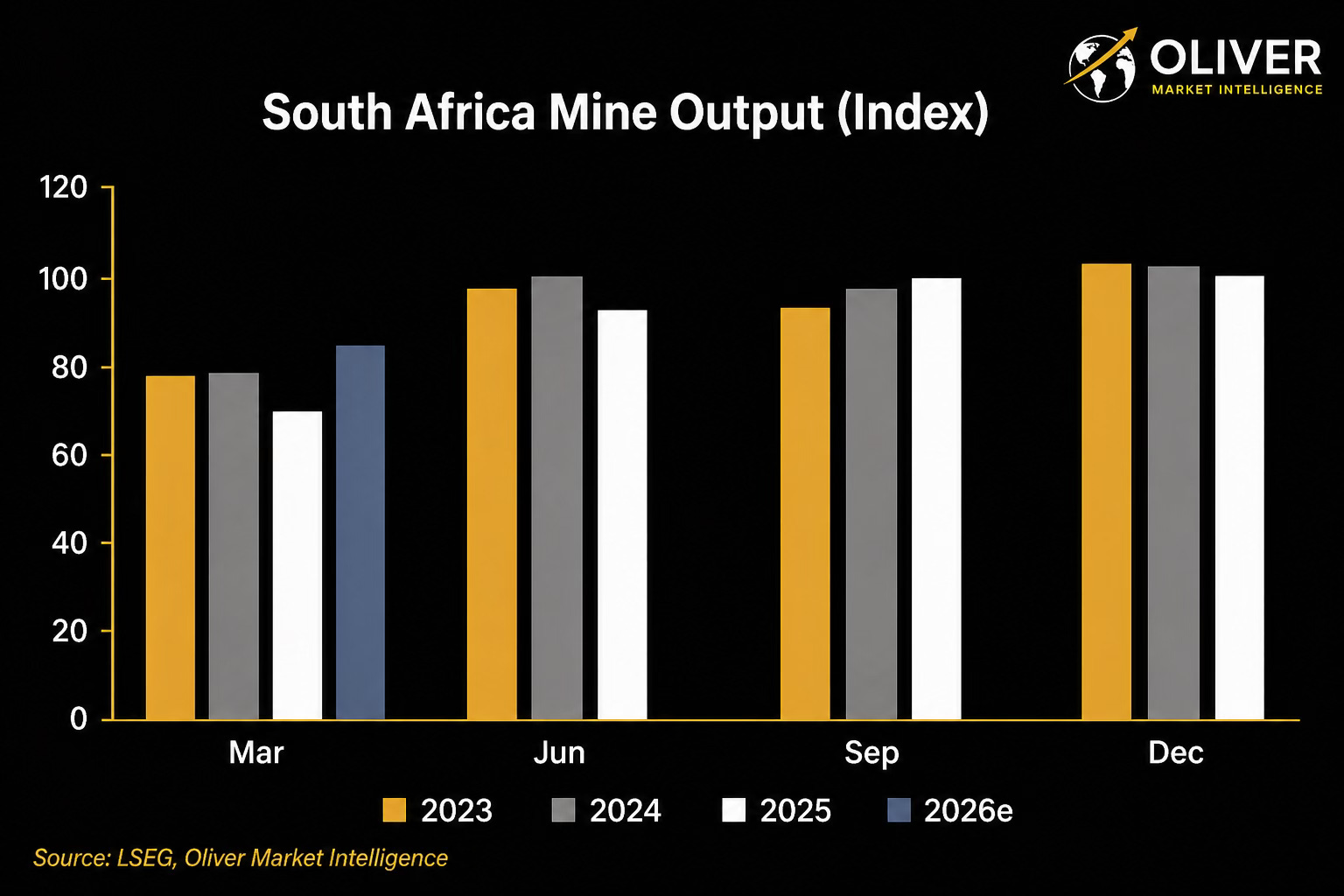
Platinum is rare, dense, difficult to mine, and geographically concentrated.
South Africa dominates supply. Russia matters. Recycling helps, but it is not magic. New projects are scarce, slow, expensive, and often weighted toward palladium rather than platinum.
This is not like software, where supply can scale with demand.
This is geology, permitting, labour, power grids, capital discipline, and ageing underground mines.
On the surface, platinum looks like a price chart.
Underneath, it looks like a structural bottleneck.
The Hidden Mechanism Beneath the Rally
The market has already been running deficits. Recent data continues to point to supply shortfalls, even if smaller than the prior year, with above-ground stocks gradually being drawn down.
That is the key.
A market can tolerate one deficit.
It can absorb two.
But when deficits persist, the cushion disappears.
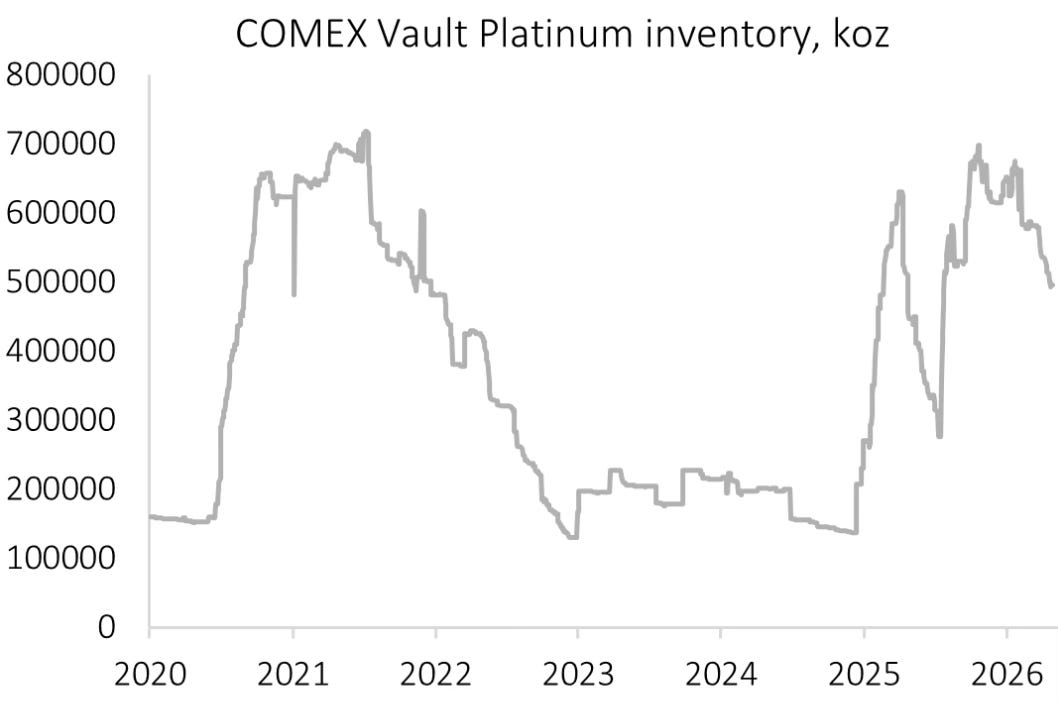
Vault stocks become more important. Lease rates matter. Exchange inventories start telling a story. ETF flows can amplify or soften the pressure. Suddenly, a metal that most investors ignored becomes extremely sensitive to even modest capital flows.
The common belief is simple:
Platinum is rising because precious metals are in a bull market.
But underneath, what’s actually happening is deeper.
Platinum is being pulled by three forces at once: monetary debasement, industrial resilience, and structural supply inelasticity.
Why Higher Prices Aren’t Bringing New Supply
Gold’s rise has reminded investors that fiat confidence is not guaranteed. Silver’s breakout has revived interest in smaller precious metals. Platinum adds something different: a physical market where demand is not purely investment-led.
Automotive demand remains central. The expected straight-line transition to EVs has stalled. Hybrids still need catalytic converters, and often require more PGM loadings per vehicle due to emissions constraints.
Once automakers change catalyst formulations, they do not reverse quickly.
That lag is critical.
Jewellery demand adds another layer. When gold becomes expensive, platinum becomes relatively attractive, especially in price-sensitive markets like China.
Investment demand remains small but highly impactful.
Then there is hydrogen, a long-dated demand driver that the market is not fully pricing.
On the surface, it looks like a cyclical rally.
But underneath, what’s actually happening is a demand stack meeting a supply base that cannot respond.
This happens because the system itself is constrained:
Producers are capital disciplined
Costs are rising
Mines are ageing
New projects are years away
Higher prices normally bring new supply.
In platinum, higher prices are meeting hesitation, constraint, and delay.
This is where things start to look very familiar…
