


The Sky Over Kuwait Turned Black First
In 1991, journalists standing near the Kuwaiti oil fields described the horizon as looking permanently damaged.
The sky had turned black from burning crude. Smoke drifted across entire regions. Sunlight disappeared behind thick columns of soot. The images carried the atmosphere of apocalypse, but the deeper significance was largely misunderstood at the time.
People treated the fires as a military story.
They were really an economic one.
Modern civilisation runs on a surprisingly fragile assumption: energy must remain continuously available at prices low enough to sustain industrial complexity. Everything else rests on top of that foundation. Credit systems, sovereign debt markets, supply chains, property values, equity valuations, welfare states, technological expansion. All of it assumes abundant energy arrives on time and at manageable cost.
When that assumption weakens, financial stability eventually weakens with it.
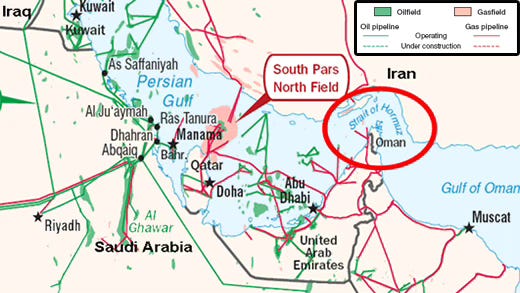
The escalating conflict across the Gulf is beginning to expose that reality in uncomfortable ways. Refineries are offline. Export terminals have been damaged. LNG infrastructure is burning. Shipping insurers are retreating from critical routes. The Strait of Hormuz, one of the most important arteries in the global energy system, is drifting toward dysfunction.
Markets still largely treat this as another geopolitical flare-up.
That may prove dangerously complacent.

Markets Still Think the System Will Snap Back
At first glance, investor behaviour appears familiar.
Oil rallies.
Defence stocks rise.
Bond yields fluctuate.
Commentators debate inflation forecasts.
The market response still resembles a cyclical commodity shock rather than a structural fracture.
That interpretation made sense during previous disruptions because the underlying assumption remained intact: supply interruptions would eventually resolve themselves before the broader financial system became destabilised.
This time the situation looks more uncomfortable because the modern economy has spent decades optimising itself around efficiency rather than resilience.
Cheap energy allowed governments to expand debt aggressively without immediately destabilising living standards. Corporations built sprawling global supply chains dependent on frictionless transport and low industrial input costs. Central banks suppressed volatility repeatedly because inflationary pressure remained relatively contained by global production capacity and stable energy flows.
Energy became the invisible collateral supporting the post-1971 financial system.
Very few policymakers talk about it that way because modern economics tends to treat energy as just another variable inside a larger model. In reality, energy sits underneath the model itself. Without abundant energy, economic complexity becomes vastly more difficult to sustain.
That distinction matters enormously once physical infrastructure starts failing.
Oil Prices Are Only the Symptom
Most people instinctively focus on the price of crude because it is visible.
The deeper issue is redundancy.
For years, governments and corporations convinced themselves the global energy system was diversified enough to absorb regional disruptions without systemic consequences. Yet a remarkable amount of refining, shipping and hydrocarbon processing remains concentrated within a relatively narrow geographic corridor.
The Gulf still anchors enormous portions of global crude exports and liquefied natural gas flows. Damage within this network creates cascading effects that extend far beyond temporary production losses. Refining capacity disappears. Shipping routes become commercially unviable. Insurance costs explode. Spare-parts logistics deteriorate. Petrochemical supply chains tighten simultaneously.
That is where fragility starts becoming systemic.
A modern LNG export facility is not something repaired in a matter of weeks. These systems rely on specialised compressors, cryogenic infrastructure, highly engineered components and globally integrated maintenance networks. Replacing damaged units often requires years rather than months.
Markets may still be struggling to absorb that timeline psychologically.
Investors remain conditioned to expect rapid stabilisation because central banks repeatedly suppressed volatility throughout the last two decades. Yet monetary policy cannot rapidly rebuild destroyed energy infrastructure. Liquidity does not manufacture industrial equipment.
The system has become accustomed to financial solutions for physical problems.
Energy shortages do not work that way.
The Economy Became Too Efficient for Its Own Good
The modern global economy increasingly resembles a race car built for perfect weather conditions.
During stability, the system appears extraordinarily productive. Supply chains operate with minimal excess inventory. Shipping routes optimise costs relentlessly. Refining capacity becomes concentrated where economics appear most attractive. Manufacturing disperses globally in pursuit of efficiency gains.
Everything functions beautifully until disruption arrives.
The pandemic exposed early signs of this fragility when semiconductor shortages and shipping delays paralysed industries worldwide. But Covid carried one major difference from the current situation. The world was dealing primarily with a demand shock followed by policy distortion.
This crisis sits on the supply side.
That distinction changes everything.
When physical energy infrastructure becomes impaired, governments face constraints that stimulus packages cannot easily solve. Printing money may support nominal demand temporarily, but it cannot immediately increase refining throughput or reopen damaged maritime corridors.
The modern economy contains far less slack than most people realise.
For years, efficiency was treated as synonymous with strength. Redundancy looked wasteful. Strategic reserves appeared unnecessary. Domestic energy resilience became secondary to cost optimisation.
Now the bill for that thinking may be arriving all at once.
